● In stock — ships from Kuwait's largest honey factory
100% Natural
No additives
Pay safely and securely
Kuwait in 24 hours
Gulf 2–5 days
14-day returns
Damaged items replaced
Secure & trusted payment
Lab tested
Know your honey
Where it comes from
عسل طبيعي خام مصدره محمية الدندر في السودان، من رحيق أزهار شجر الطلح (الأكاسيا) البري.
داكن إلى بني اللون، غني القوام وعميق الطعم.
عسل بري من محمية خالية من المبيدات، موسمي حسب إزهار الطلح.
How to use it
ملعقة صغيرة إلى كبيرة مرة أو مرتين يوميًا حسب الرغبة.
يُؤكل مباشرة بالملعقة، أو يُستخدم لتحلية المشروبات والزبادي، أو مع الخبز واللبنة.
أضفه إلى المشروبات بعد أن تهدأ الحرارة، لا إلى مشروب مغلي، حفاظًا على نكهته.
How should I store honey?
At room temperature, away from direct sunlight. No fridge needed — honey preserves itself.
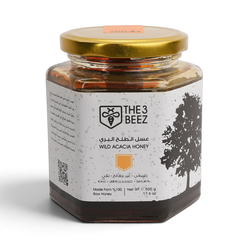
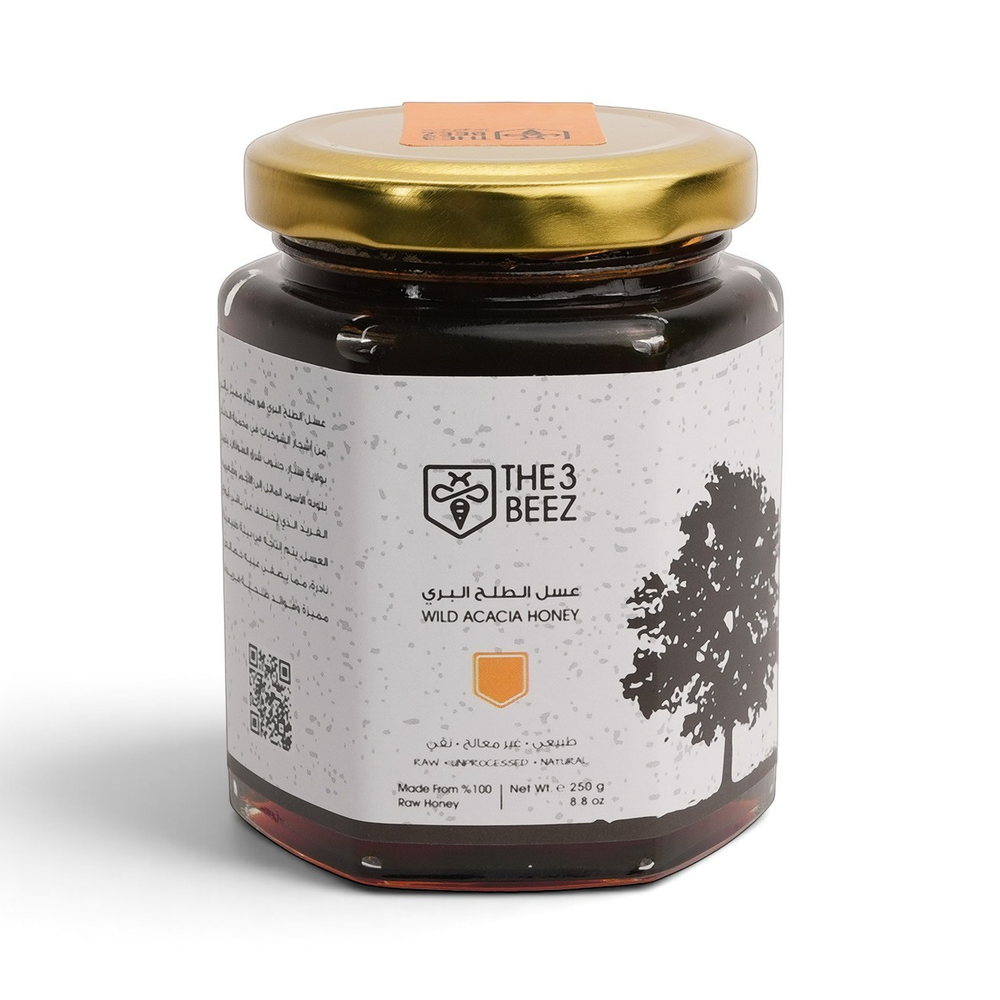
Wild Talh Honey (Acacia Honey)
Bees gather it from the nectar of wild Talh trees, a member of the acacia family, in the Dinder reserve in Sudan's Sennar state, with no pesticides and no genetically modified plants. One pure ingredient in a 250 g jar, a good size to try it first, with a rich, tangy taste and a dark red colour.
What makes this product special?
Produced in the Dinder reserve, one of Africa's oldest and largest reserves, where there are no pesticides and no genetically modified plants.
A rich, tangy taste, a penetrating aroma and a red colour verging on black.
One ingredient in a 250 g jar, produced in Sudan's Sennar state.
Why is it called acacia honey?
Talh is a desert tree of the acacia family, so its honey is also known as acacia honey.
It is not the pale European acacia honey: wild Talh honey is dark and full-flavoured.
How to enjoy it
A spoonful in tea or coffee.
On bread or yoghurt at breakfast.
In place of sugar in desserts and home recipes.
Raw, just as it is
Unheated and unpasteurised, so it may crystallise over time. That is natural: stand the jar in warm water and it softens again.
In the jar: 100% wild Talh honey, one ingredient, 250 g.

 Kuwait in 24 hours
 Gulf 2–5 days
 14-day returns
 Damaged items replaced
 Secure & trusted payment
 Lab tested


